
Restores thermal performance
Compressed or wet batts lose R-value quickly. Removing them lets new insulation achieve its rated thermal resistance, cutting winter heat loss through the ceiling and floor.
Kallista Insulation Removal
Old, compressed or damaged insulation in your Kallista home reduces thermal performance and can harbour dust, moisture or pests. We safely remove it so new insulation can do its job.
Share your details and Expert Insulation Melbourne will contact you about Insulation Removal in Kallista.
Kallista’s damp, cool climate means insulation in roof spaces and under floors takes a beating over time. Batts compress under their own weight, get wet from leaks or condensation, or become contaminated with dust and rodent activity. Removing the old material is the first step before upgrading to effective thermal protection.
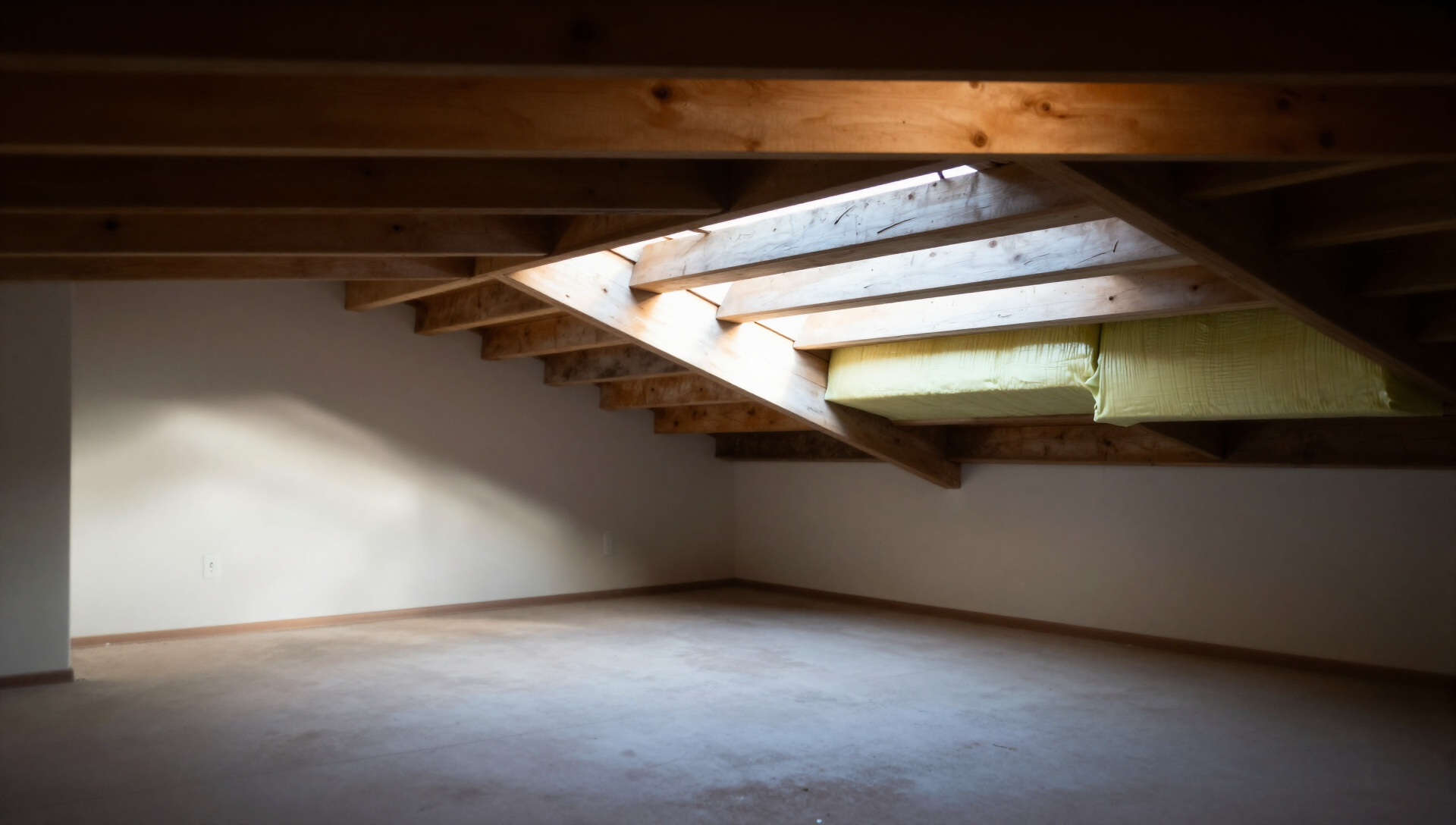
Removing degraded insulation improves comfort and indoor air quality, and ensures your new installation performs as intended. In Kallista’s older weatherboard and mountain homes, this step is often necessary before achieving reliable thermal resistance.
Compressed or wet batts lose R-value quickly. Removing them lets new insulation achieve its rated thermal resistance, cutting winter heat loss through the ceiling and floor.
Years of ceiling dust and rodent debris accumulate in old insulation. Extraction improves air quality and reduces irritants circulating through vents and gaps.
Damaged batts trap moisture against timbers and plaster. Removing them stops condensation problems that can lead to mould growth in Kallista’s damp conditions.
Clearing the roof space or subfloor allows proper installation of new glasswool, polyester or rockwool batts with the correct R-value for your home.
Old insulation often shelters rodents and insects. Removal denies pests a nesting place and reduces the risk of damage to wiring and timbers.
If you’re adding reflective foil under the roof, a clean space ensures the material sits flat with the required air gap for maximum radiant heat reflection.
We follow a careful, methodical approach to remove old insulation without damaging your home or leaving a mess. Access and safety checks come first, especially in Kallista’s older properties with narrow roof spaces.
We assess the roof space or subfloor for safe entry, noting any asbestos risk, electrical cables, downlight clearances and structural concerns. If asbestos is suspected, work stops until a qualified assessor inspects it.
Plastic sheeting and barriers are set up to contain dust and fibres. We use industrial vacuums and HEPA filtration to capture fine particles during extraction.
Batts are carefully pulled from between joists or rafters and bagged for disposal. Loose fill and debris are vacuumed from all corners of the roof space or crawl area.
The space is left clean and ready for new insulation. We check for any remaining dust, moisture or damage that needs addressing before installation begins.
Kallista sits in the Dandenong Ranges where winters are colder and more damp than much of Melbourne. Many homes are older weatherboards with uninsulated or under-insulated roof spaces and suspended timber floors. Over decades, original batts compress and absorb moisture, making removal essential before any upgrade. Nearby suburbs like Sherbrooke and Sassafras share the same climate challenges, so we see the same issues across the hills.
Safe extraction of old, damaged or compressed insulation from roof spaces and subfloors in Kallista homes.
Homeowners in Kallista often ask about the need for removal, the process and what happens next. Here are the key details.
Kallista’s cool, damp climate accelerates the degradation of ceiling and underfloor insulation. If your home feels colder than it should in winter, or you notice dust falling from the ceiling, it may be time for removal. Old glasswool batts from the 1970s or 80s are often thin, compressed and ineffective, especially in weatherboard homes common in the Dandenong Ranges.
Signs you need insulation removal include visible sagging between joists, musty odours from the roof space, evidence of rodent activity or water staining on ceiling plaster. In subfloors, cold floors and draughts through floorboards often indicate that old batts have collapsed or been displaced. Removing them allows proper R-value upgrades for ceilings and underfloors.
Cost depends on the size of the area, access difficulty, the type of material to remove and whether dust extraction is required. Steep roof pitches, limited manhole access and the presence of old loose-fill material can increase the time on site. We provide a clear quote after inspecting your Kallista property.
If your Kallista home has old or damaged insulation that needs removing, we can inspect the space and provide a detailed plan. Call us to discuss your roof space or subfloor.